About this project (and me)
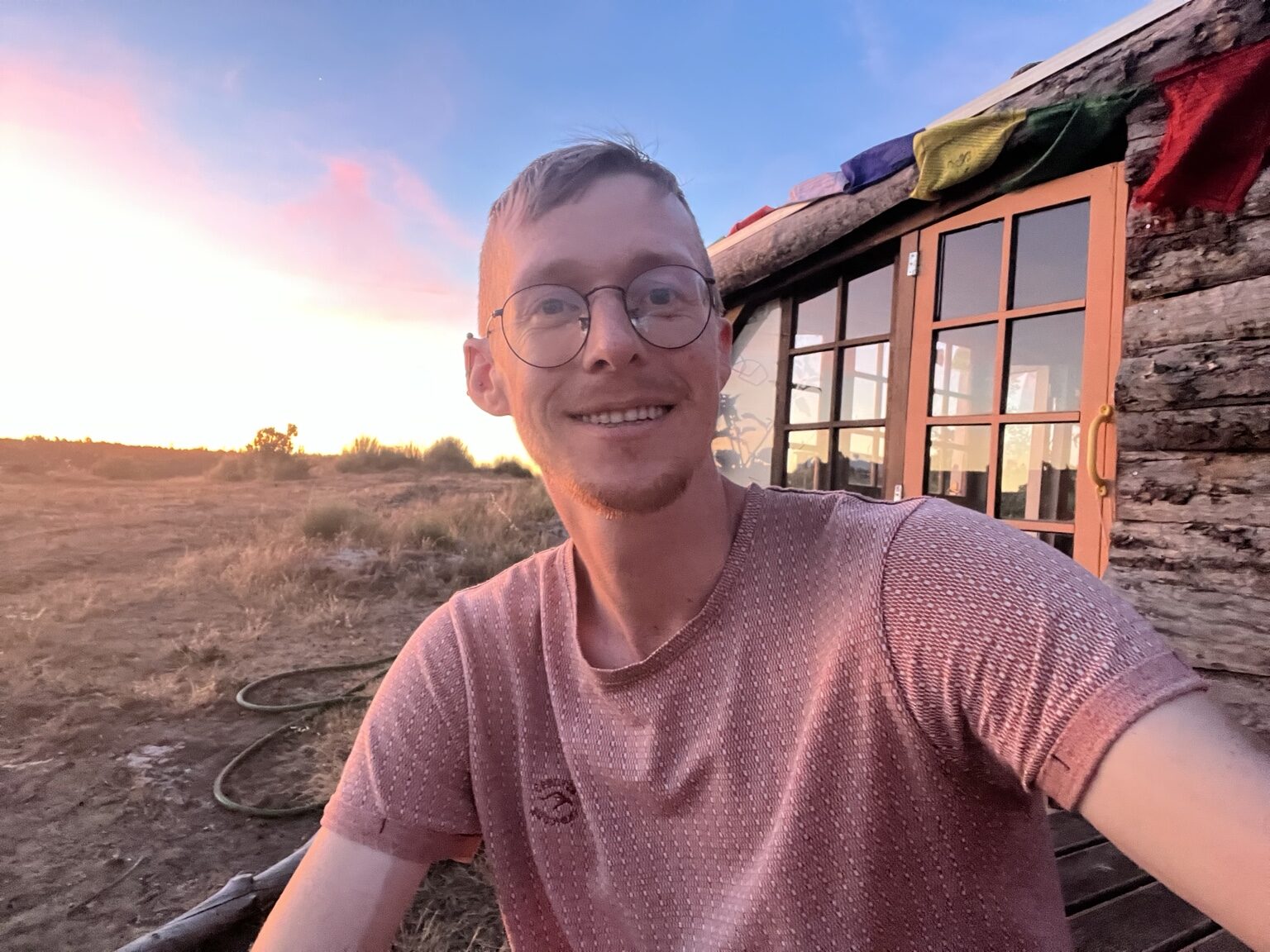
I'm Josiah Eyeington — engineer at heart, entrepreneur by trade, hiker whenever possible. I have retinitis pigmentosa, and I'm building a hat so I can stop walking into branches.
Living with tunnel vision
Retinitis pigmentosa is a rare genetic eye condition that has been slowly affecting my vision since I was an early teenager. The first symptom, for me as for most people, was night blindness — struggling in dim light. Then the peripheral vision started going. RP deteriorates the retina from the edges inward, so the periphery goes first and central vision holds out longest. The result is tunnel vision.
Day to day, that means I miss handshakes when meeting new people, have almost no chance of finding something dropped on the floor, and will never be the one who spots the plane in the sky. On a hike it becomes a real problem: I walk with my eyes on the ground a few feet ahead so I know where to put my feet — which means anything outside that narrow window doesn't exist, including every branch, tree and overhang coming at head height. Being 6'2" does not help. I can scan for obstacles myself, but then I can't see the ground, so it's up-down-up-down constantly — exhausting and slow. Mostly I ask friends to call out obstacles. Here's the thing though: my central vision works fine. If I know when to look up, I can see the branch and duck. That one insight is the entire project.
Where the idea came from
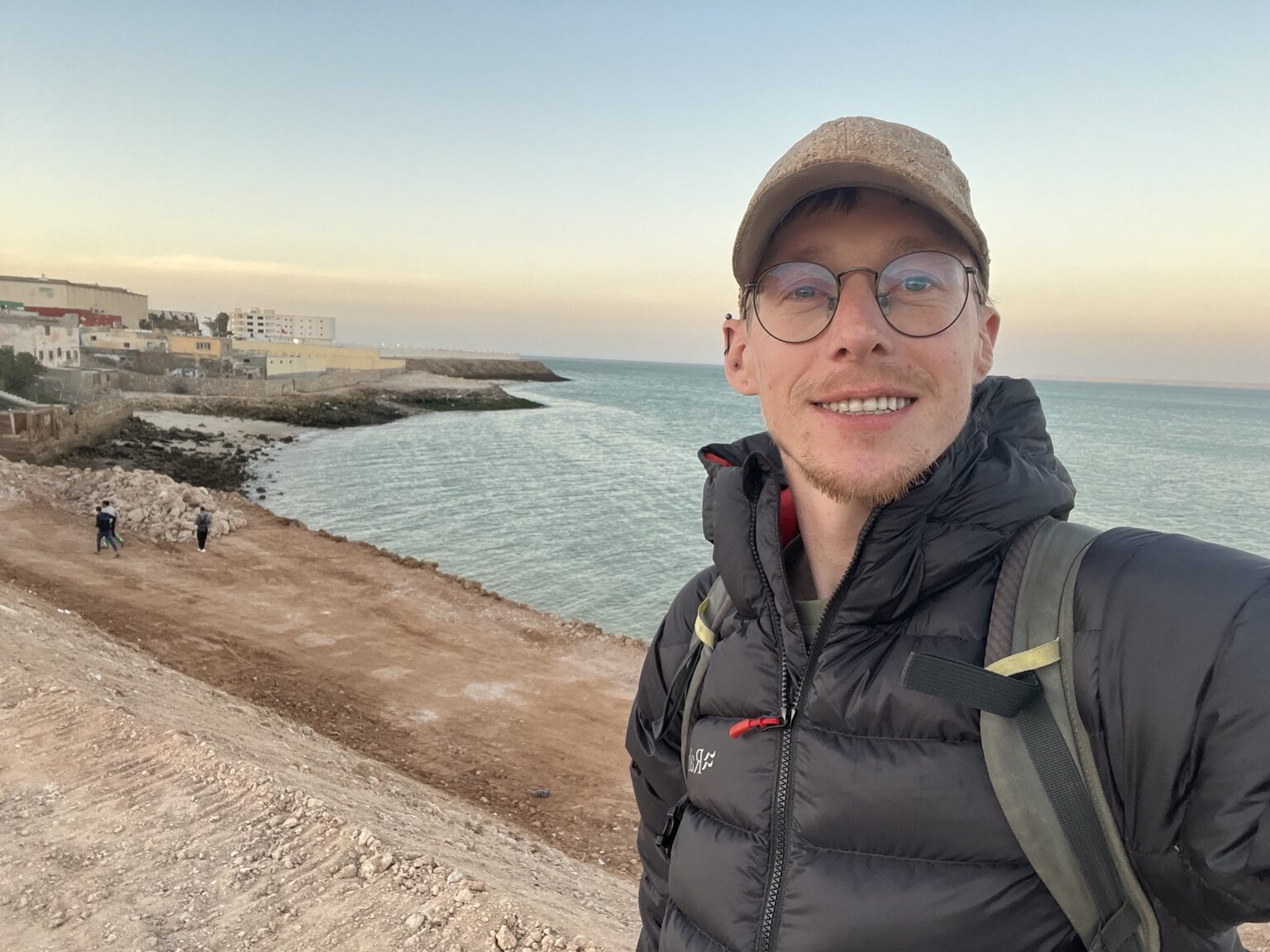
A few years ago I was hiking with friends in Tafraoute, Morocco — spectacular, difficult terrain, massive boulders, trees at exactly forehead height, and some rock climbing thrown in. Somewhere between ducking and not ducking fast enough, I thought: what if the hat could just tell me? The idea sat quietly for years. Recently — living in a small community in rural Portugal, recovering from a period of burnout, and still walking into branches — it came back. The more I researched, the more meaningful it became: it's genuinely buildable, it would transform my independence outdoors, nothing like it exists on the market anymore, and it would very likely help many others in the same situation.
I studied aerospace engineering and I've loved building things since I was a kid; these days I build businesses for a living. This project sits exactly at the intersection of all of that — a real problem I own personally, a buildable solution, and an excuse to make something with my hands again.
How this project is run
Openly, honestly, and without deadlines. Every decision, test result, and failure gets written down and published here — including the embarrassing ones, because the documented failures of past devices in this space turned out to be the most valuable research material I found. The project has one hard metric (false alarms: if the hat cries wolf, it goes in a drawer) and firm safety rules: it's an experimental prototype, never a replacement for a cane, vision, judgement, or a sighted guide, and it gets tested on soft obstacles with a sighted friend before it ever meets a real trail.
It's a side project and I intend to keep it fun. I've learned my lesson about burnout — updates arrive when there's something real to share, not on a schedule.
Get in touch
I'd genuinely love to hear from you if any of this resonates — whether you have RP or low vision yourself, you've built something similar, you know sensors or firmware or textiles, you'd like to test a prototype someday, or you just have an idea or a question.
Email me
joe.eyeington@gmail.com — open invitation, no formality needed.
Can I support the project?
Right now the best support is free: share the site with someone who'd find it useful, send me your experience with similar devices, or point out something I've got wrong. If the project reaches the stage where funding would genuinely help, I'll add a transparent way to contribute — with an open book on where every euro goes. Not yet, though. First the hat has to earn it.